
Attention as a Superpower
“Attention is a limited resource, so pay attention to where you pay attention.”
You can listen to this AudioBlog or watch the animated episode on YouTube or Spotify.
Take a guess: how many times have you checked your phone today without thinking? 5 times? 10? More???
Research shows that we check our phones between 96 and 186 times per day (!) … often as an unconscious, compulsive habit. Studies indicate these checks occur roughly every 5 to 10 minutes, with the overwhelming majority of these actions being unprompted by notifications and often done out of boredom rather than necessity.
89% of people check their phones within 10 minutes of waking up, and 87% check their small screens within the hour before bed.
While many checks are short (under 2 minutes), total daily usage for adults often exceeds 4 to 5 hours. Teenagers are shown to average more than quadruple the 2 hours of recreational screen time that pediatricians recommend. National average for teens is between 7.5 to 9 hours a day of screen entertainment.
We live in an era that competes for our attention 24/7. Even boredom now comes with a screen attached. Notifications. Tabs. Messages. Games, music, video… you name it. All of this background noise can prompt random and distracting thoughts. And this is just in reference to smartphones.
Consider everything else in life: work deadlines, news headlines, weekend vacations, family obligations, chores, finances, meal prep, friendships— the multitude of daily tasks on your to-do list. Your attention is constantly being pulled in different directions.
The good news? Attention is trainable. And learning how to mindfully aim it might be one of the most important life skills you’ll ever develop— not just for school or work, but for social relationships, self-confidence, and overall resiliency.
Your attention is like a gateway to success. A “superpower,” if you will. Attention may not allow you to break through walls, take flight, or shape shift with invisibility, but it can empower you in other ways. See, whatever has your attention shapes your experience in each moment. If your focus is scattered, your energy feels scattered. If your focus is clear and directed, your mind feels calmer and more capable.
The Cost of Constant Distraction
Young people have as many as 5,000 thoughts a day, with high estimates for adults close to 50,000 thoughts a day in a mature, developed brain.
Distractions can limit the amount of time in deep thought, which directly affects imagination and creativity, not to mention communication skills and coping strategies in this fast-paced world. Interruptions stifle the numerous thoughts a healthy brain can have, dividing our innate human attentiveness more than ever.
Writer and professor Cal Newport, author of “Deep Work,” warns that constant distraction trains your brain to avoid effort. Over time, this makes it harder to:
Read deeply
Persist through difficult problems
Think creatively
Be fully present with others
Your brain starts craving easy stimulation instead of meaningful challenge. The scary part? You don’t notice it happening. It’s like trying to build muscle while constantly dropping the weights. Technically, you are going through the motions, but nothing gets stronger. Similar to drug addiction, screen use can hijack the brain’s reward system, so chemical messengers like dopamine are released quickly, in excess, and without organic effort.
Focus weakens when the brain is never asked to work hard for reward.
Attention Is a Choice (Even When It Doesn’t Feel Like One)
It may feel automatic, but your attention is being trained through repetition. This means the more often you focus on a task, the easier it becomes to focus on it again.
Neuroscientist Dr. Adam Gazzaley, author of “The Distracted Mind,” explains that the brain has actually evolved to be good at focus, but it is terrible at filtering out distractions in modern environments. This means when students struggle to concentrate, it’s not always because they’re lazy or unmotivated. It’s because their brains are being asked to do something they were never trained to do— ignore constant stimulation.
Author and researcher Johann Hari takes this notion further, describing attention like a spotlight. Wherever you shine it— problems, negativity, curiosity, growth— that area gets brighter and louder in your mind.
This generally means one of two things:
If you constantly focus on what’s going wrong, your brain starts expecting failure.
If you focus on progress and learning, your brain starts spotting opportunities.
Notice how interrelated this is to growth mindset work. Same world; different focus. Similar experiences; varying outcomes.
Training Your Attention
Just like habits and mindset, attention is a skill. And skills get stronger with practice… not overnight, but over time. Be patient with progress. Every little bit counts.
Here are a few considerations on how to start.
Notice Where Your Attention Goes
Before you can control attention, you have to notice it.Ask yourself:
What steals my focus the fastest?
When do I feel most distracted?
What helps me lock in?
This isn’t about judging yourself— it’s about mindfulness. Awareness is step one. You can’t change what you don’t notice.
Shrink the Battlefield
Your brain focuses better when there are fewer choices competing for attention.❌ “I’ll study, but just some quiet music while I work. The phone will be face-down, so it’s okay.”
✅ “Phone out of the room. One assignment, then a 2-minute break and on to the next.”
This idea is backed by Dr. Gloria Mark, a psychologist who studies attention. Her research shows it can take 20+ minutes to fully refocus after an interruption. One distraction isn’t small; it resets the attention clock.
Practice Single Tasking
Multitasking may feel productive, but it actually drains mental energy. Your brain can switch quickly between tasks, but it can’t focus deeply on more than one thing at a time. So, seemingly, the old idiom is indeed true: we can’t walk and chew gum at the same time.In real life, single-tasking means:
One conversation at a time
One assignment at a time
One small goal at a time
If it feels slower at first, know that single-tasking leads to better results, less stress, and more confidence in the long run. You’re playing the long game here, prioritizing sustainable success over immediate gratification.
Protect Your Best Brain Time
According to Daniel Pink, author of “When: The Scientific Secrets of Perfect Timing,” everyone has moments when their brain works best— morning, afternoon, or evening.Use your best brain time for:
Learning
Creating
Deep Thinking
Save easier tasks for low-energy moments. This helps you work with your brain instead of fighting against it. Notice this is personal agency in action— you are choosing how to use your mental energy.
The Big Takeaway
Attention shapes identity. You become what you repeatedly pay attention to. Therefore, attention is a bit of a superpower for us 21st century humans.
If attention is on comparison, confidence shrinks.
If attention is on adequacy, bitterness develops.
If attention is on distractions, focus fades.
If attention is on improvement, growth follows.
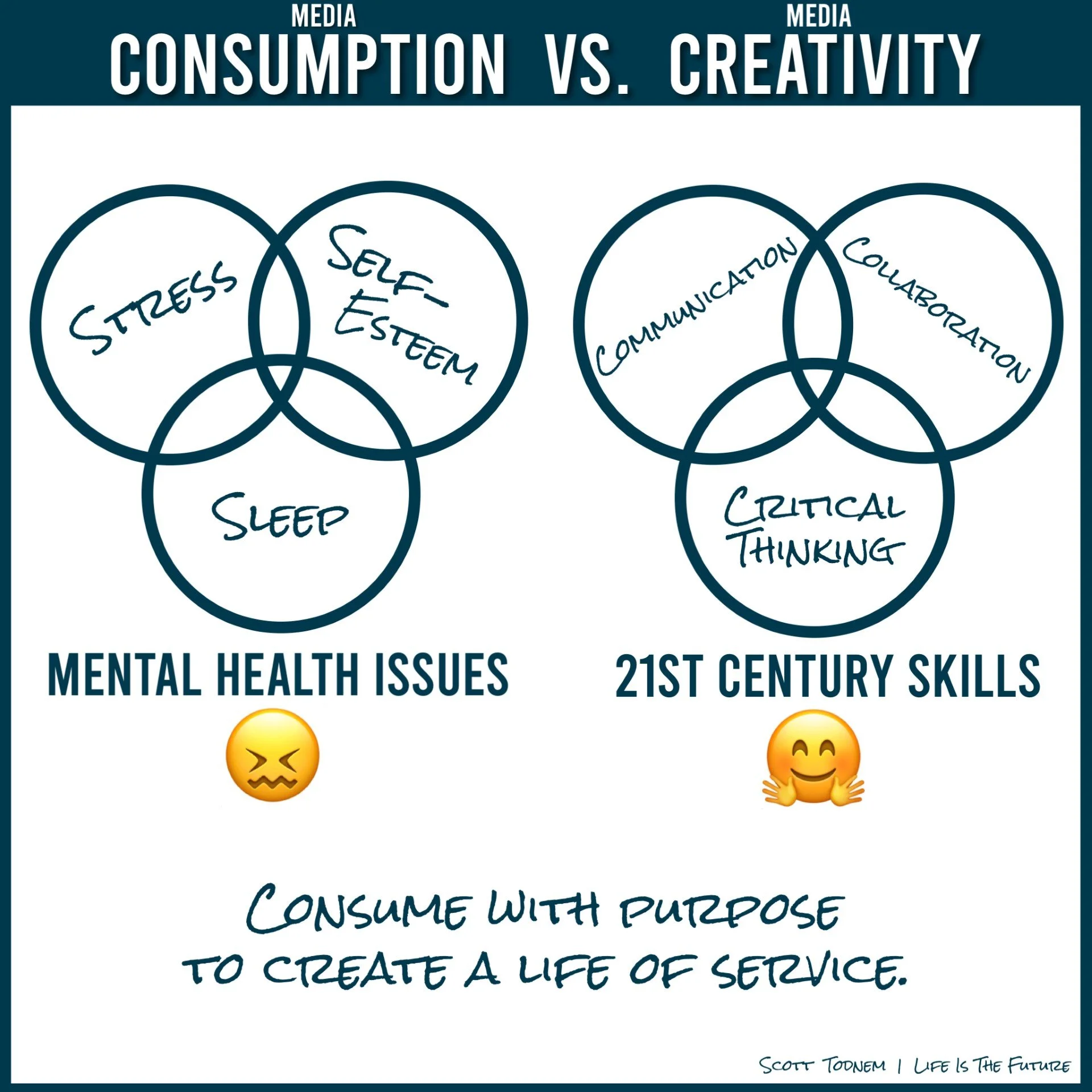
Your attention is not weak. It’s just overworked. Consume with purpose to create a life of service. A focused brain can better attend to personal desires, respond to others with respect, and serve the world with the best version of you.
Remember, when you train your attention:
Learning becomes easier
Confidence becomes steadier
Life feels less chaotic
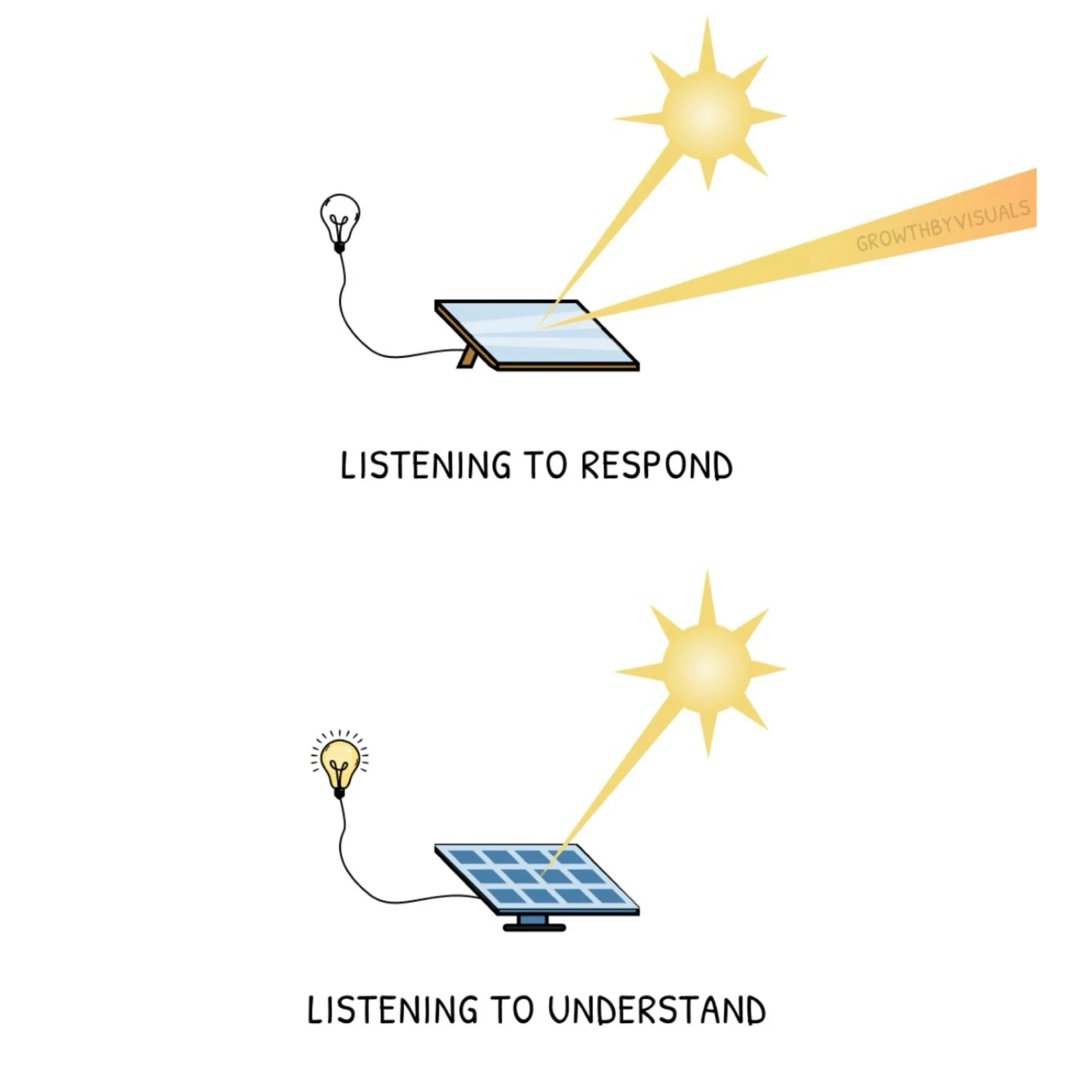
You don’t need more motivation. You need clearer focus.
And that’s a powerful skill you can build to save your world from distraction, one day at a time.
Resources
For more motivation and learning, here are some resources on my AMAZON STOREFRONT I recommend checking out.
When by Daniel Pink
The Distracted Mind by Adam Gazzaley
Deep Work by Cal Newport
Mindset by Carol Dweck
Grit by Angela Duckworth
The High 5 Habit by Mel Robbins
And more…
YouTube.com/MrTodnem Facebook.com/MrTodnem Instagram.com/ScottAmpersand